First Chair
Nobody hands you a manual when you're the first one.
Two administrations. 2024 to 2026. And now someone else’s name sits under “President, NACSS UNIOSUN.” I thought handing over would feel like relief. Mostly it feels like pride, with a little strangeness mixed in, like walking past a house you built and seeing new curtains in the window.
When I became the pioneer president of NACSS UNIOSUN, there was nothing to inherit. No past executives to call. No handover notes. No template for how a cybersecurity students’ association should run in our department. Just a name, a department, and a lot of students who wanted more than lectures and slides.
Being first sounds glamorous. In reality, it means every decision is the first decision. What does the association stand for? How is the executive team structured? Who handles what? How should our announcements even sound? There was no “how we’ve always done it.” We were the ones writing it.
I think it really hit me when I realised that the decisions we were making would outlive our administration. We weren’t just organising events or filling executive positions. As the pioneer administration, we were setting the standards, building the structures, and creating something the next set of executives would inherit. That responsibility changed how I looked at the presidency.
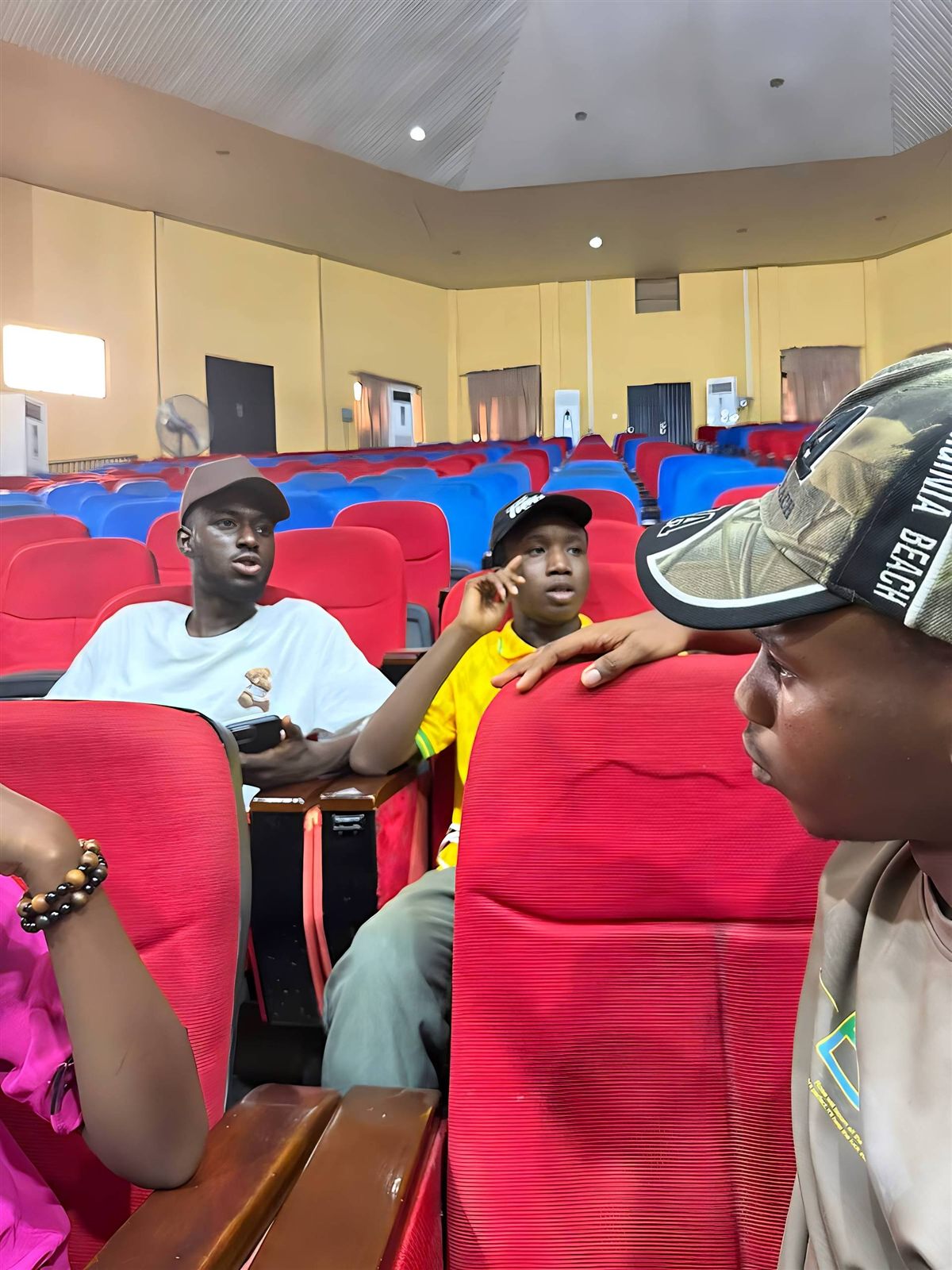
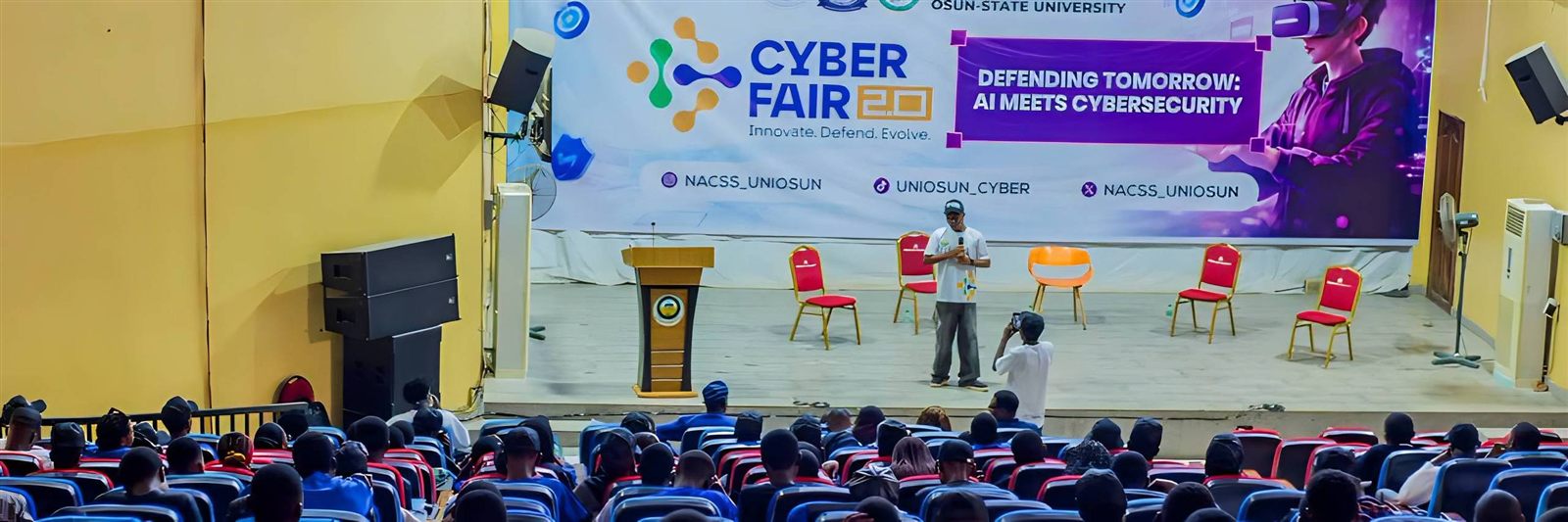
So we built. Cyber Fairs with live demos and students crowding around screens. Bootcamps that pushed people past theory and into actual hands-on work. ISC-related training. Hackathons. And NACSS Week, which grew into the biggest thing on our calendar.
If I learned one thing from all of it, it’s this: students don’t need another motivational speech. They need reps. Hands on keyboards, a problem in front of them, and someone saying “try it, break it, try again.” The moment someone pops their first shell or catches their first phishing indicator, you can see it click. That look is why I kept going.
Then there’s the part nobody sees. Writing announcements and presidential messages late at night. Coordinating an executive team across academics, technical, events, admin and comms, each with their own pace and problems. Representing the department at FOCITSA meetings. Even pushing NACSS merch, which sounds small until you see students wearing it and realise the association has become something people want to belong to.
I learned that leadership is mostly communication. Not big speeches. Clear messages, sent on time, to the right people.
Elections taught me the hardest lesson. Eligibility rules had to be spelled out clearly, and when things got tense, my job was to ask everyone for calm and respect for the process. You can’t please everybody in an election. Your job is to protect the process, not to pick the outcome. That one stayed with me.
Here’s how I think about being a pioneer now. It’s like deploying on bare metal. No base image, no config, no runbook. You set the baseline yourself, and everyone who comes after inherits your defaults, the good ones and the bad ones. That’s the real weight of going first: your defaults become someone else’s normal.
Somewhere along the way, people noticed. Departmental President of the Year at FOCITSA, an Award of Service, and a couple of analyst awards I’m still a little surprised by. I’m grateful for every one. But the thing I’m proudest of is quieter than any plaque: when my tenure ended, there was a structure to hand over. A real transition, not a shrug.
Passing it to David felt right. The association doesn’t belong to me. It never did. My job was to build something that could outlive my time in the chair, and watching someone else take it forward is how I know it worked.
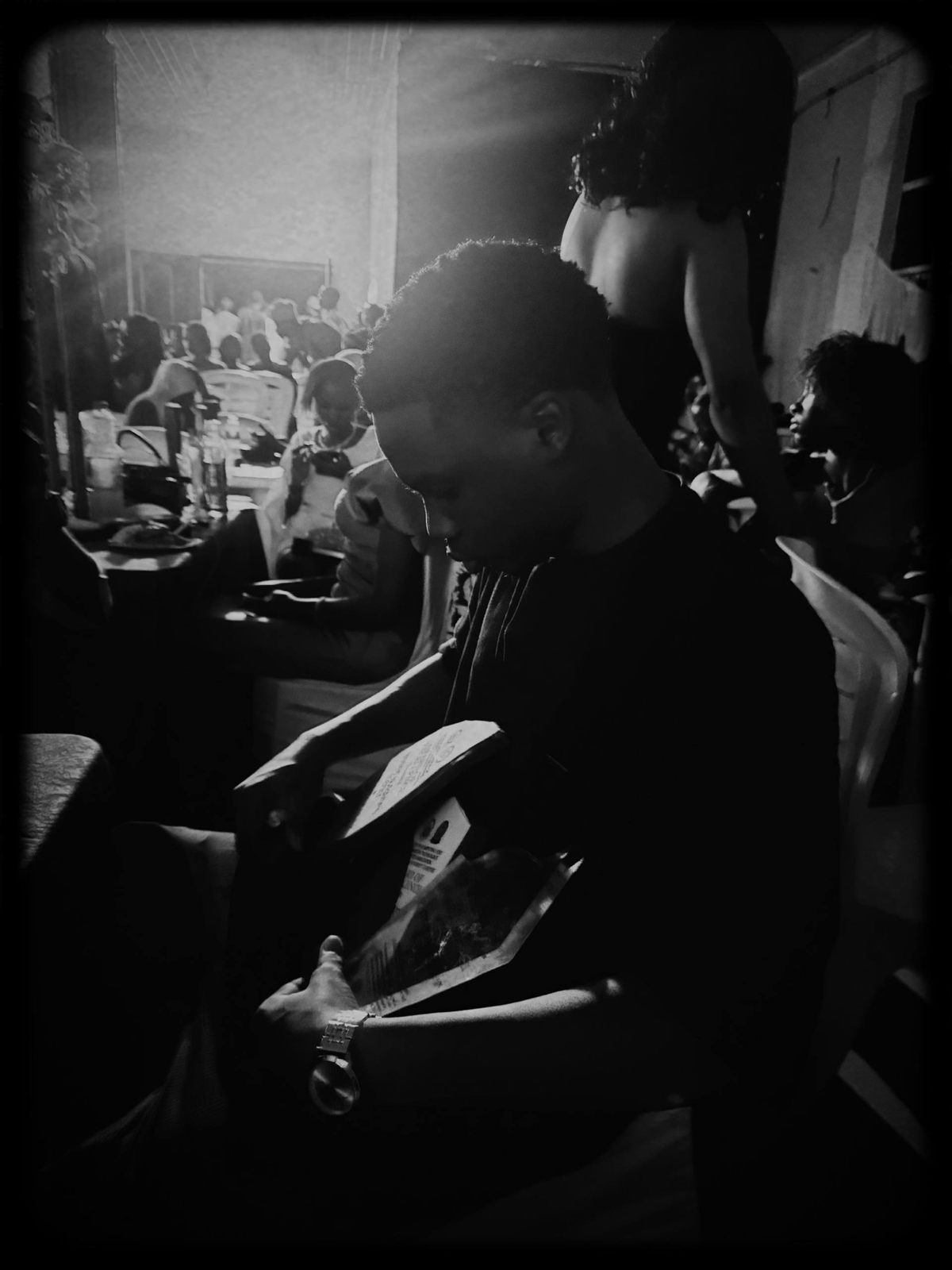
These days I’m out of school and working in an MSSP, staring at alerts instead of event budgets. Funny thing is, the lessons carry straight over. Communicate clearly. Build the baseline right. Protect the process. I’m excited about where I am, but I’m not comfortable. There’s still a lot to build.
“Society grows great when old men plant trees whose shade they know they shall never sit in.”
Greek proverb
So if you’re the first one to try something, in your department, your family, your city, start it anyway. It will be messy. Nobody will hand you a manual. Write one, then leave it better for whoever comes next.
That’s what the first chair is for.